
Collect the Voices Your Dataset Is Missing
Specializing in delivering high quality speech and text datasets for regional languages, dialects, and code-switching, Chemin orchestrates the full process, from recruiting contributors to collecting and data annotation.
Dialect and Script Coverage
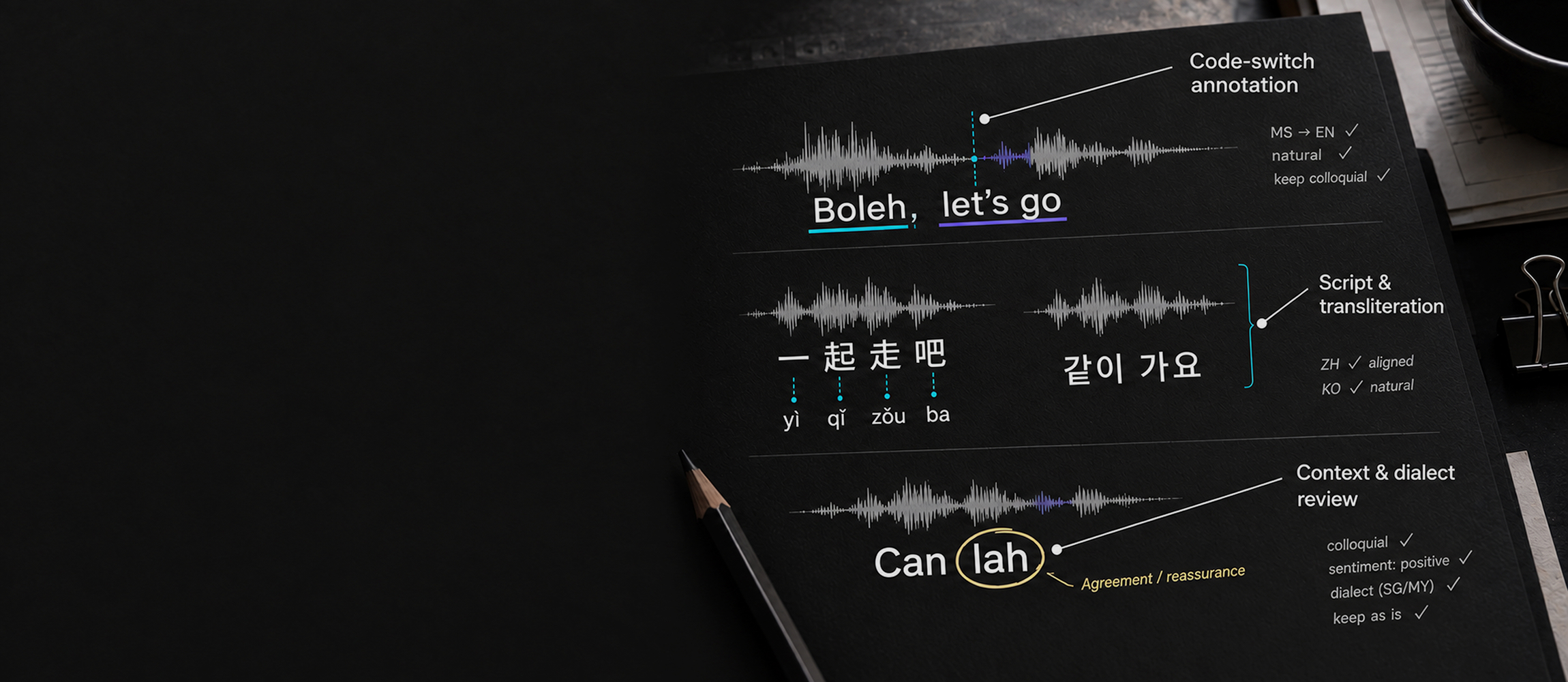
Coverage designed around dialect and script variation, not just language count, so a regional variant is never functionally invisible to a model.
Linguist-Reviewed Annotation
Code switching and transliteration handled by linguist review rather than discarded or normalized away, matching how people actually write and speak.
Native-Speaker Evaluation
Recruitment across 18 countries matched to the specific language and dialect brief, with evaluation suites built from native-speaker judgment.
The challenges that hold back regional language programs

Underrepresented Dialects and Scripts
Most multilingual datasets are built around a handful of standardized languages, so coverage has to be designed around dialect and script, not a language name on a list.
Code-Switching in Real Speech
People mix languages within a single sentence more than clean datasets suggest, and discarding that mixing trains a model that fails on real usage.

Reaching the Right Native Speakers
Verified native speakers of a specific dialect are often concentrated where digital infrastructure is thin, which takes local networks to reach.

Data generation from source to success
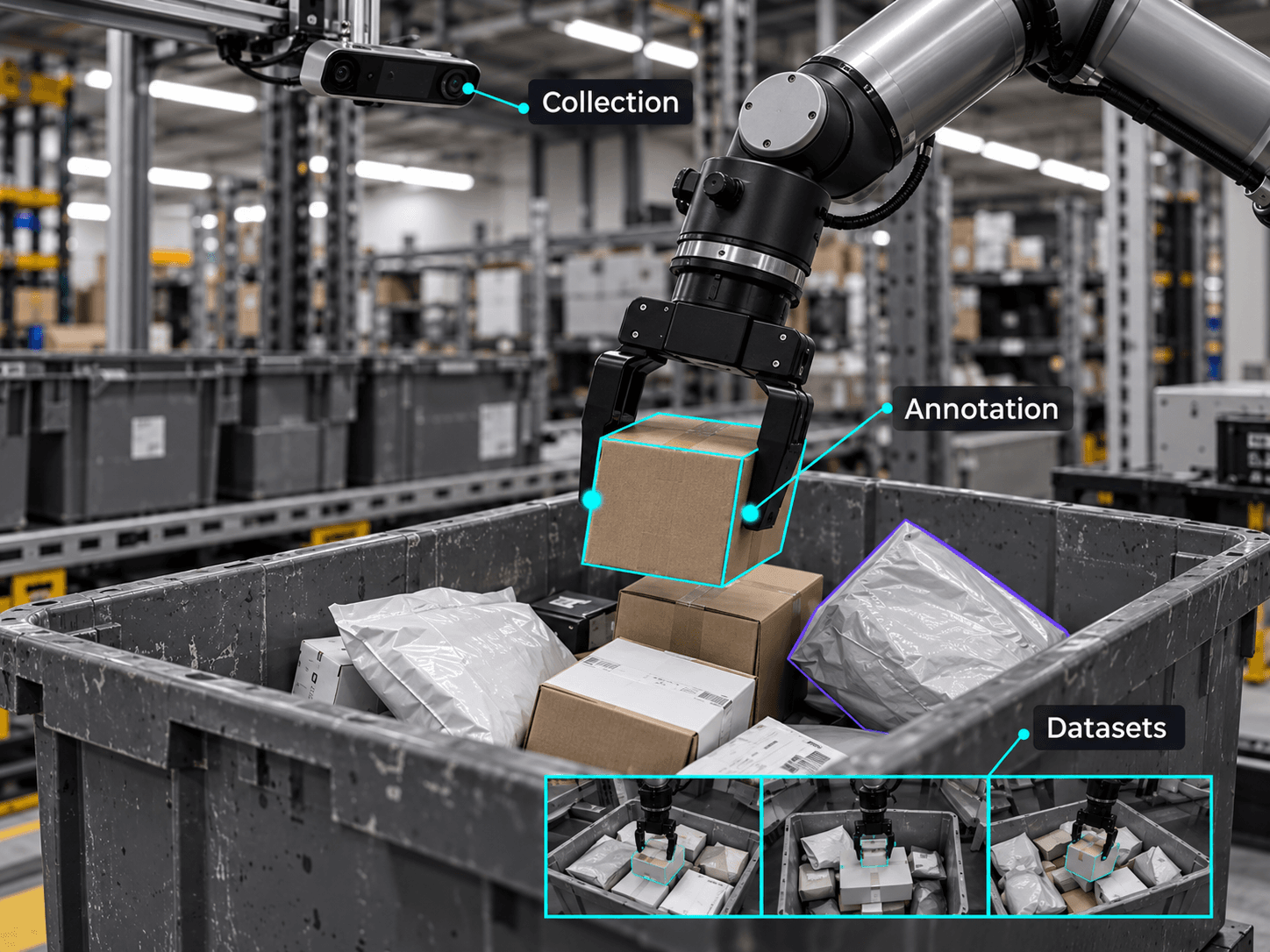
End-to-end data services from sourcing and annotation to data generation for model training
100M+
30,000+
18
Data generation from source to success
End-to-end data services from sourcing and annotation to data generation for model training
100M+
30,000+
18
Frequently asked questions
Find answers to common questions about our services, process, and how we can support your needs.
Which languages and dialects does Chemin support?

We support multilingual data programs across our 18-country footprint, including regional languages, dialects, and code-switched speech. Coverage is scoped to your project requirements, whether you’re building speech recognition, translation, LLMs, or multilingual AI systems.
How are native speakers and linguists recruited?
Contributors are recruited based on the project’s linguistic and domain requirements. Depending on the task, this may include native speakers, professional linguists, subject matter experts, or bilingual reviewers, with screening and calibration appropriate to the project.
Can Chemin improve an existing multilingual dataset?
Yes. We can review, validate, and refine existing multilingual datasets through linguist-led annotation, quality assurance, error correction, and evaluation to improve consistency and model performance.
Can Chemin collect data for low-resource languages?
Yes. We support custom data collection for languages and dialects where publicly available datasets are limited or unavailable. Collection programs are designed around your linguistic, geographic, and demographic requirements.
How do you maintain annotation quality across multiple languages?
Quality is maintained through language-specific annotation guidelines, reviewer calibration, linguist review, and structured quality assurance. These processes help ensure consistency across languages, dialects, and contributors.
Can Chemin support speech, text, and multimodal language data?
Yes. We support multilingual data across text, speech, audio, image, and multimodal AI applications, depending on your model requirements and use case.
What types of multilingual AI projects does Chemin support?
We support data development for large language models, speech recognition, machine translation, conversational AI, search, content moderation, and other AI systems that rely on high-quality multilingual data.

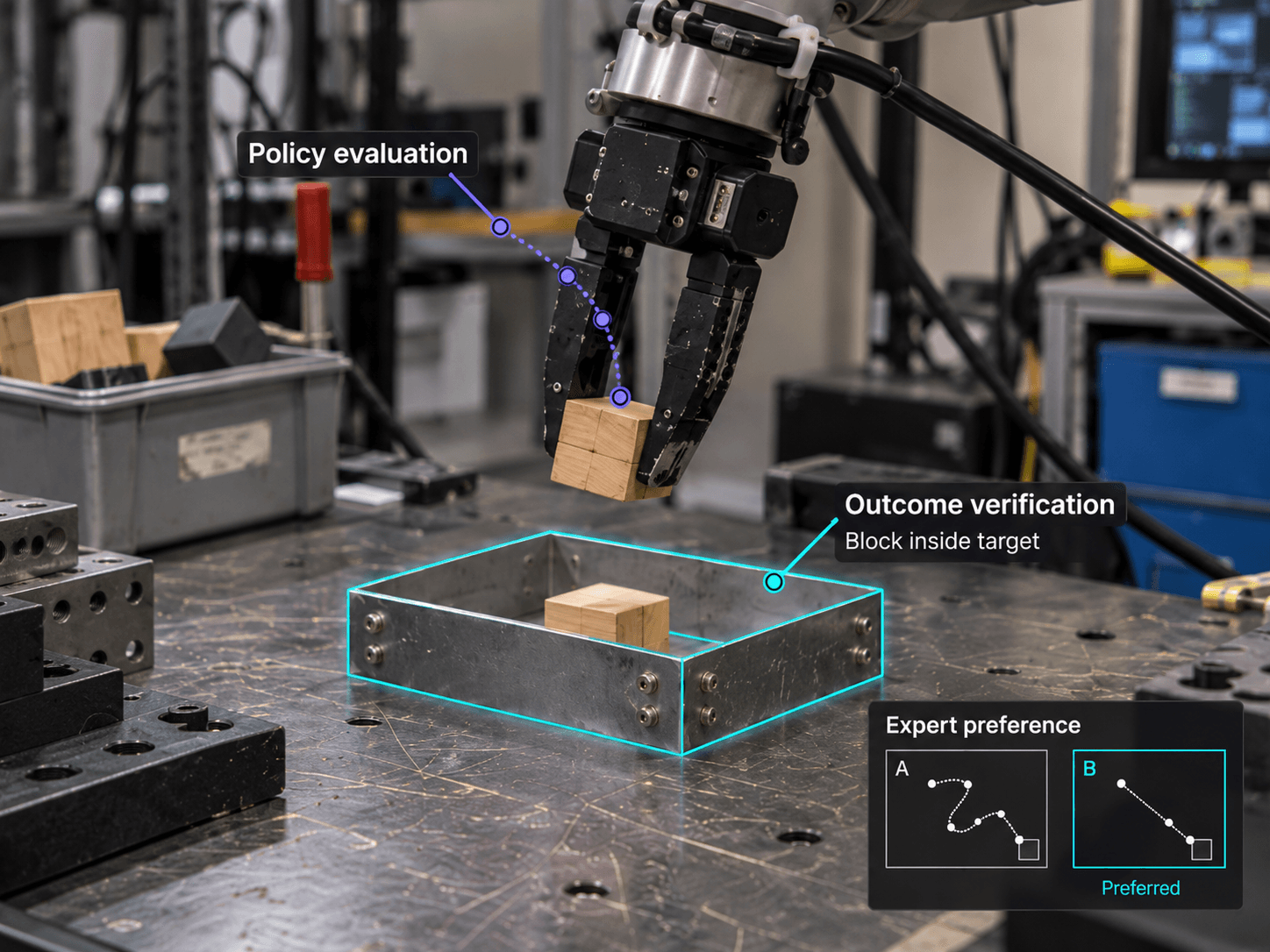

Evaluation built from native-speaker judgment
Get a collection and evaluation program scoped to your language and dialect brief, recruited through local networks across 18 countries.