
Know what improvement looks like before training
A model can score well on a benchmark while still missing the cases that matter to your team. Chemin builds evaluation suites around your use cases, so you can compare checkpoints against consistent criteria before deployment.

Evaluation suites
Evaluate model performance against your chosen criteria, with expert-designed rubrics, safety testing, and regression checks across model updates.

Know what improvement looks like before training
A model can score well on a benchmark while still missing the cases that matter to your team. Chemin builds evaluation suites around your use cases, so you can compare checkpoints against consistent criteria before deployment.
Evaluation suites
Evaluate model performance against your chosen criteria, with expert-designed rubrics, safety testing, and regression checks across model updates.
Verifiable rewards
Develop tasks and verifiers for outcomes that can be checked, including code, mathematics, and structured tool use. For simulation-based robotics, calibrate evaluations against expert-labeled ground truth.
Preference data
Collect pairwise or ranked feedback from vetted domain experts. Track annotator agreement and use clear rubrics to make differences in judgment visible.
The data problems that can weaken RL programs

Evaluations miss important cases
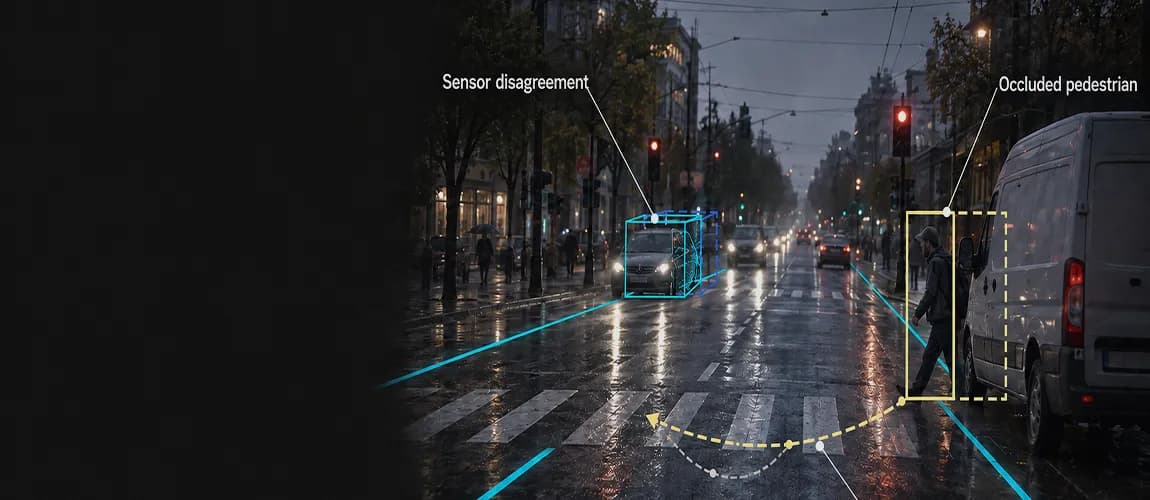
Public benchmarks may not reflect the inputs and edge cases your model encounters in production.

Verifiers cover too little
A verifier built for narrow cases can miss valid answers or reward incorrect ones.

Preference labels vary
When reviewers interpret quality differently, those differences can affect the reward signal.

Data generation from source to success
End-to-end data services from sourcing and annotation to data generation for model training
100M+
30,000+
18
Data generation from source to success
End-to-end data services from sourcing and annotation to data generation for model training
100M+
30,000+
18
Why Chemin
Chemin evaluates tasks, verifiers, and expert preference data into one work stream, with criteria your team can trust.
Evaluation
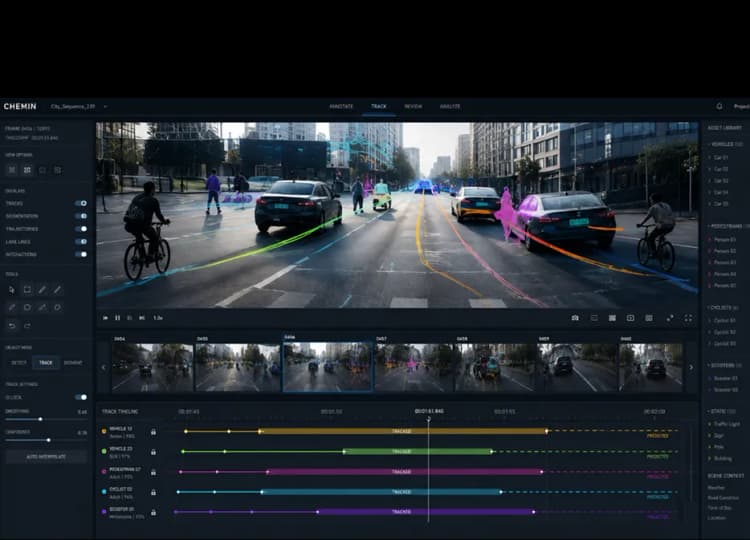
The goal is to know what better means before optimizing for it. We build custom evaluation suites around your production distribution instead of public benchmarks, with rubrics designed alongside your domain specialists. We also run red teaming and safety evaluation to catch adversarial behavior, and we tie regression evals directly into your retraining cycle so they run continuously rather than once.
Why Chemin
Chemin evaluates tasks, verifiers, and expert preference data into one work stream, with criteria your team can trust.
Evaluation
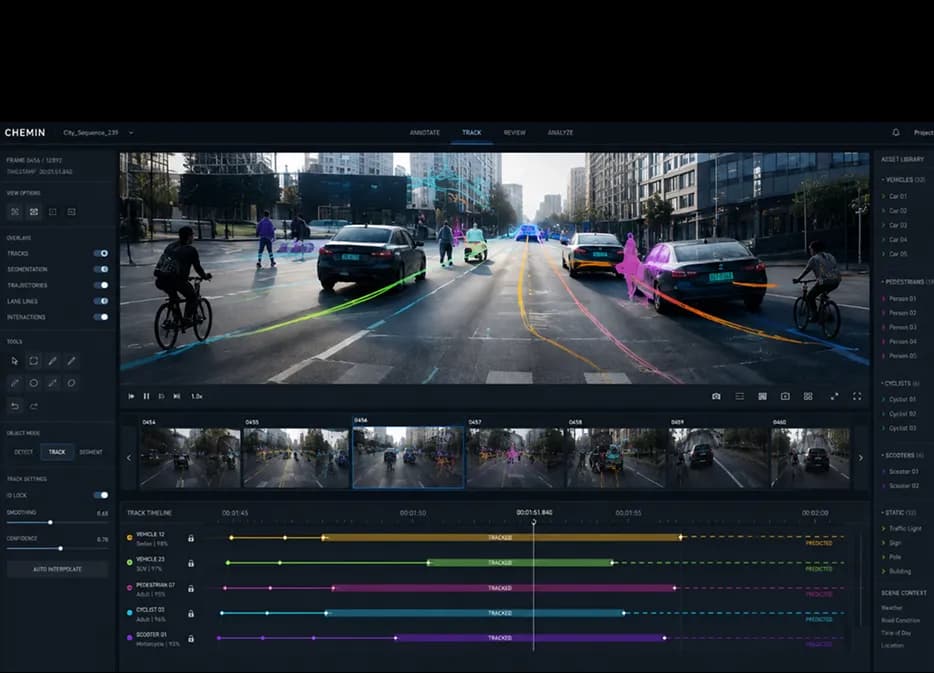
The goal is to know what better means before optimizing for it. We build custom evaluation suites around your production distribution instead of public benchmarks, with rubrics designed alongside your domain specialists. We also run red teaming and safety evaluation to catch adversarial behavior, and we tie regression evals directly into your retraining cycle so they run continuously rather than once.
RLVR (Reinforcement Learning with Verifiable Rewards)
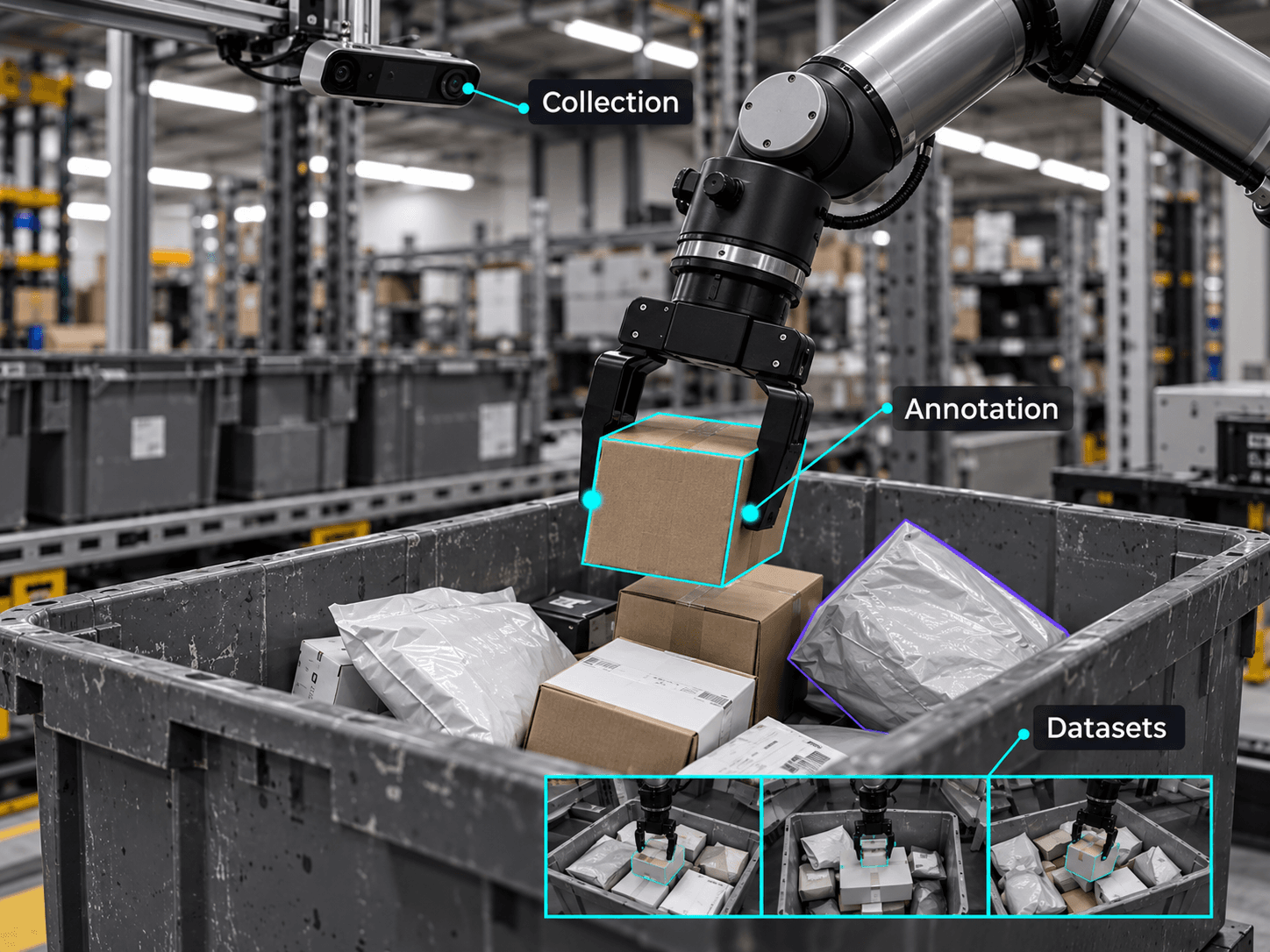
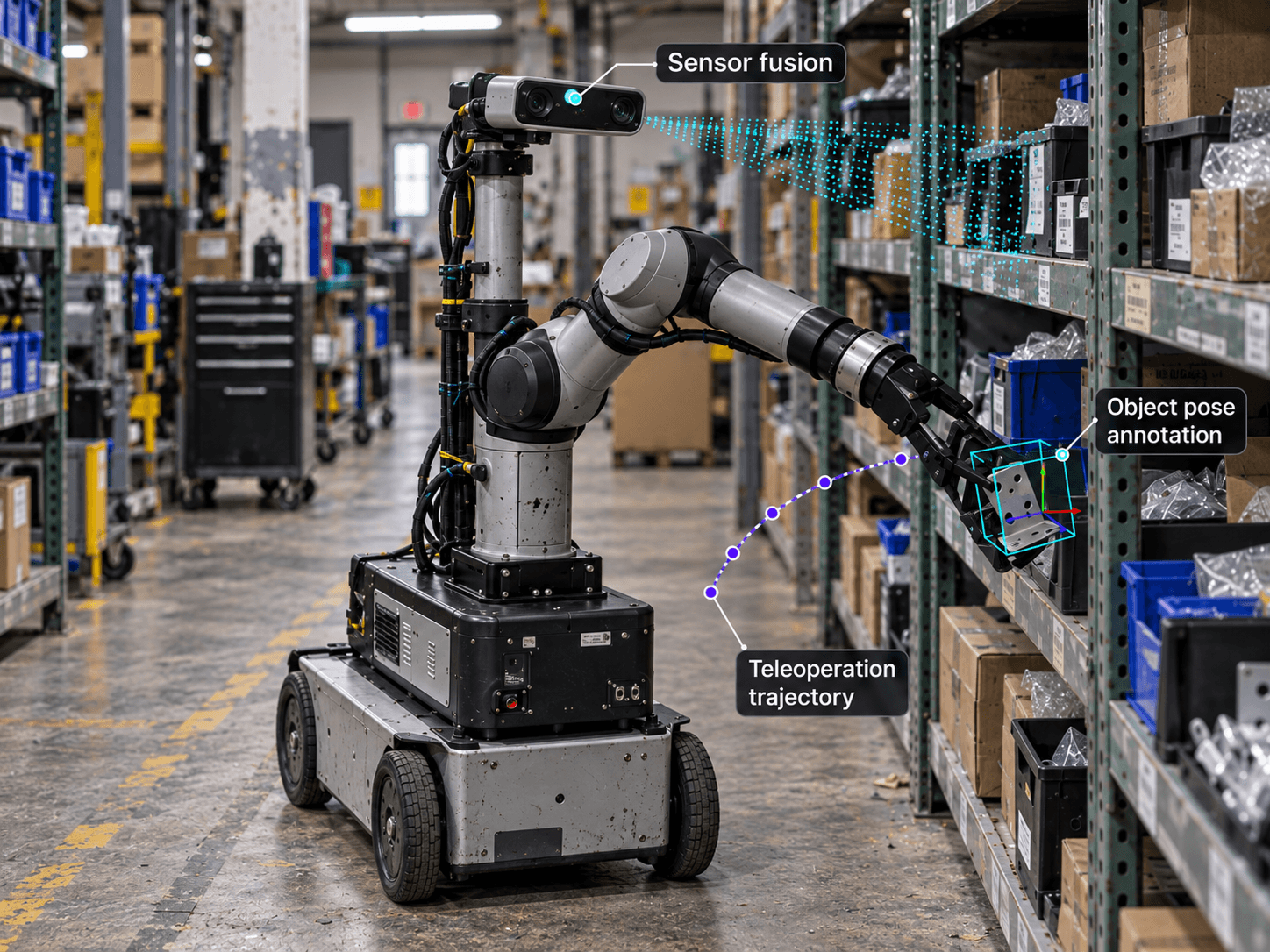
Where correctness can be checked, the reward should be exact rather than estimated. We design tasks and verifiers for domains with checkable outcomes, such as code, math, structured tool use, and simulation-based robotics tasks. Verifiers are calibrated against expert-labeled ground truth.
RLHF (Reinforcement Learning from Human Feedback)
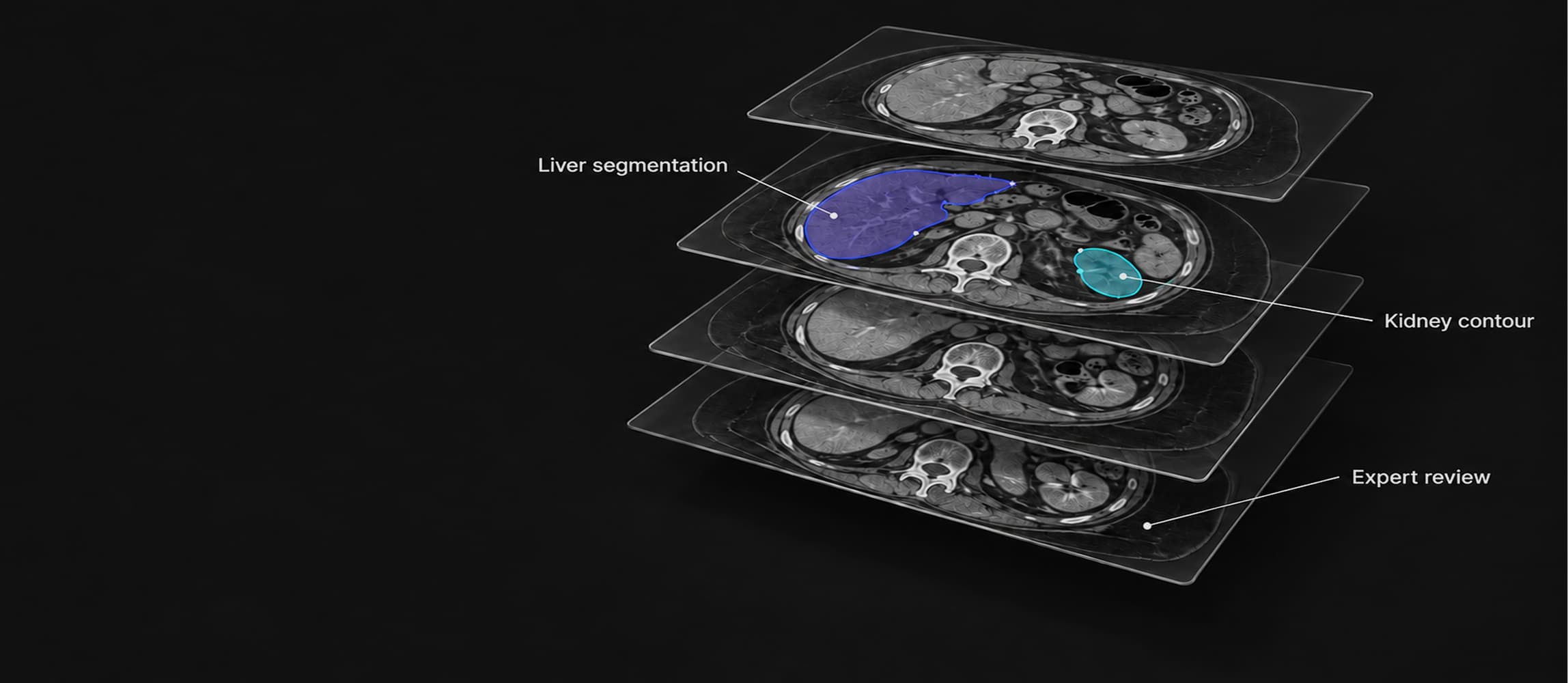
Good preference data comes from people who not only understand the task but also understand the context. We collect pairwise and ranked preferences from vetted domain experts, and track inter-annotator agreement, calibrating as needed.
Frequently asked questions
Find answers to common questions about our services, process, and how we can support your needs.
What is the difference between RLVR and RLHF?

RLHF uses human feedback to guide training. RLVR uses reward signals from verifiers that check defined outcomes, such as passing code tests or satisfying a mathematical check.
Can RLHF and RLVR be used together?
Yes. A program can use human feedback for subjective criteria and verifiers for outcomes that can be checked automatically.
Can Chemin build custom evaluation suites?
Yes. Evaluation tasks, rubrics, safety checks, and regression tests can be scoped around your model requirements and use cases.
How do you review the quality of response reviews?
Clear rubrics, reviewer calibration, and annotator agreement tracking make differences in judgment visible and help teams review feedback quality.
Does every AI application need reinforcement learning?
No. The right approach depends on the model, its objectives, and whether its behavior needs to be refined through feedback or optimization.
How do you know if a model has improved?
Compare checkpoints against consistent task-specific evaluation criteria and check for regressions before deployment.


Make model progress easier to measure
Build an evaluation and feedback pipeline around the work your model needs to handle.